
The World's Most Celebrated Coffee Faces One of Its Biggest Challenges
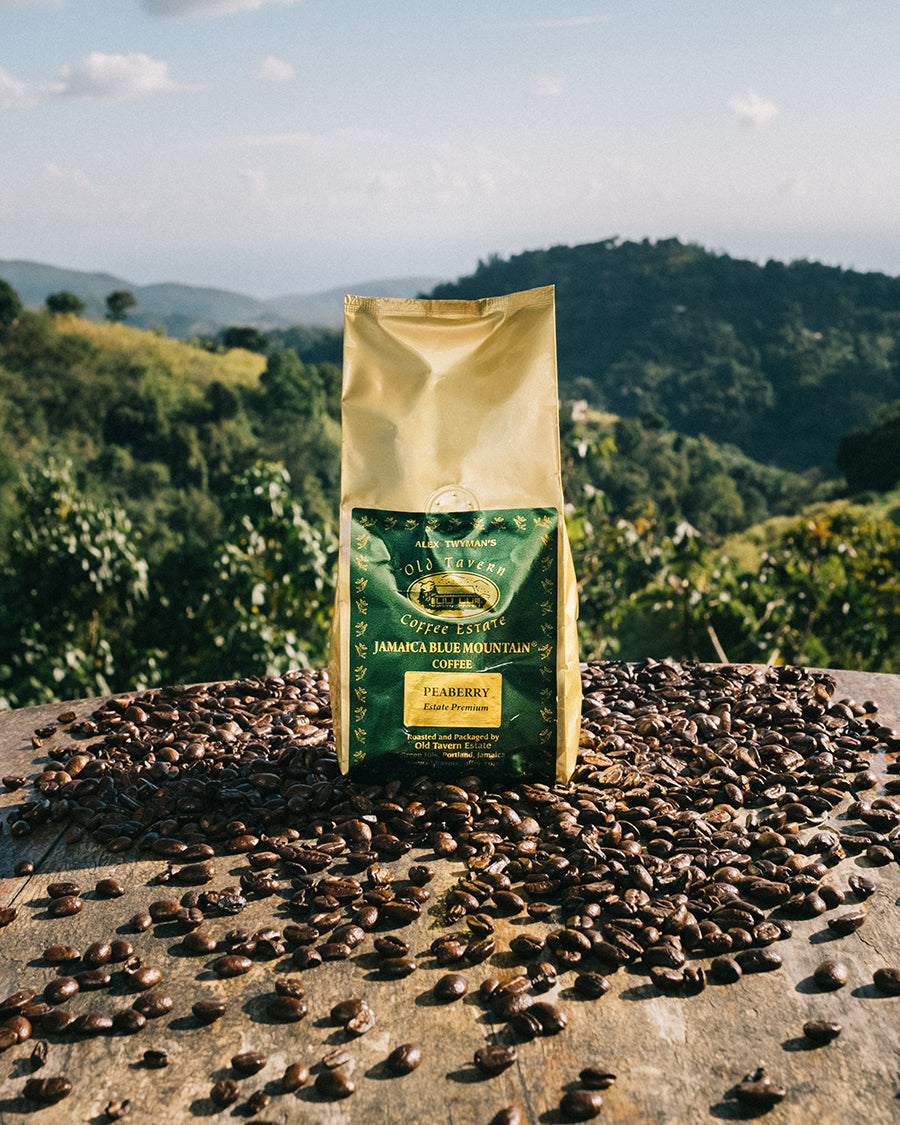
Jamaican coffee has always been one of the rarest coffees available. Unlike many coffee-producing countries, Jamaica produces only a small volume each year, with the most sought-after beans grown within the protected Jamaica Blue Mountain region.
Demand for authentic Jamaican coffee has continued to grow across the UK, Europe, North America and Asia, driven by consumers seeking premium, traceable and single-origin coffees. At the same time, the industry's ability to meet that demand has been placed under significant pressure following Hurricane Melissa.
While recovery efforts continue, the effects of the storm are still being felt throughout Jamaica's coffee-growing communities.
Why Is Jamaican Coffee So Rare?
Unlike mass-produced commercial coffee, Jamaican Blue Mountain Coffee is grown within a tightly regulated geographical area under strict quality standards.
Several factors naturally limit production:
-
High-altitude growing conditions
-
Hand-picked harvesting
-
Small family-owned farms
-
Strict grading standards
-
Limited land approved for Blue Mountain production
These characteristics are exactly what give Jamaican coffee its reputation for exceptional balance, sweetness and smoothness—but they also mean production cannot simply be increased when demand rises.
Hurricane Melissa's Impact on Jamaica's Coffee Industry
Hurricane Melissa brought destructive winds, torrential rainfall and widespread flooding across Jamaica during the 2025 harvest period.
Early industry assessments reported:
-
Significant damage to coffee farms
-
Landslides within the Blue Mountains
-
Washed-out access roads
-
Disruption to harvesting operations
-
Delays transporting coffee cherries to processing facilities
-
Damage to infrastructure supporting coffee production
Industry estimates suggest losses approaching J$1 billion within the Blue Mountain coffee sector alone, highlighting the scale of disruption facing growers and exporters.
Fortunately, the farming communities themselves have shown remarkable resilience, with recovery and replanting efforts now underway.
Demand Continues to Grow
The challenge for the industry is that consumer demand has not slowed.
Speciality coffee drinkers continue to seek:
-
Authentic Jamaican Blue Mountain Coffee
-
Single-origin coffees
-
Traceable coffee
-
Estate-grown coffees
-
Premium gifting products
Restaurants, hotels, private members' clubs and corporate clients are also increasingly looking for premium coffee experiences that differentiate them from competitors.
With supply temporarily reduced, availability has naturally become tighter.
What This Means for Coffee Lovers
Periods of reduced supply often mean:
-
Longer waiting times
-
Limited estate availability
-
Faster sell-outs of popular coffees
-
Greater emphasis on purchasing from trusted importers
Authenticity also becomes increasingly important.
Consumers should ensure they are purchasing genuine Jamaican coffee from suppliers who can clearly demonstrate provenance and traceability.
Supporting Jamaica's Coffee Communities
Behind every bag of Jamaican coffee is a farming family.
Many growers have spent generations cultivating coffee on steep mountain slopes where harvesting remains almost entirely manual.
Recovery following Hurricane Melissa is not simply about replacing damaged plants. It involves rebuilding roads, restoring processing facilities and helping farming communities return to full production.
Supporting authentic Jamaican coffee helps support those communities directly.
Looking Ahead
Coffee trees require time.
Even after infrastructure is repaired, new plantings take several years before reaching full production. As a result, the effects of Hurricane Melissa are expected to influence supply beyond a single harvest season.
The good news is that Jamaica's coffee industry has demonstrated resilience before, and recovery initiatives are already helping growers rebuild for the future.
For coffee enthusiasts, the message is simple: authentic Jamaican coffee remains one of the world's great coffees, but its rarity has become even more apparent.
At Jamaica Coffee Distributors, we continue working closely with our producer partners to source authentic Jamaican coffees while supporting the long-term sustainability of the communities behind every harvest.=